
If you’ve ever woken up with jaw pain, played sports, or been told you grind your teeth at night, you’ve probably heard about mouth guards. But what exactly do they do, and do you really need one?
The truth is, mouth guards are simple devices that can make a big difference in protecting your teeth, reducing pain, and preventing long-term damage. Whether you’re an athlete, a parent, or someone dealing with jaw discomfort, this guide will walk you through everything you need to know.
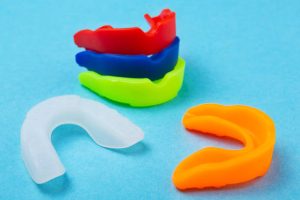
What Are Mouth Guards and What Do They Do?
Mouth guards are soft, flexible devices worn over your teeth to protect them from damage.
So, what do mouth guards do?
They help by:
- Protecting teeth from injury during sports
- Preventing grinding and clenching at night
- Reducing pressure on the jaw joint (TMJ)
- Protecting soft tissues like lips and cheeks
They act as a cushion between your upper and lower teeth, absorbing impact and reducing strain.
Mouth guards are commonly used for:
- Sports (like football, hockey, basketball)
- Teeth grinding (bruxism)
- TMJ-related jaw pain
Types of Mouth Guards
There are several types of mouth guards, and choosing the right one depends on your needs and budget.
Stock Mouth Guards
These are pre-made and available at most sports stores.
- Least expensive option
- Ready to use right away
- Limited fit and comfort
Because they don’t fit perfectly, they can feel bulky and may not offer the best protection.
Boil-and-Bite Mouth Guards
These are a step up from stock guards.
- Softened in hot water, then molded to your teeth
- Better fit than stock guards
- Affordable and widely available
They’re a popular middle-ground option for both sports and basic protection.
Custom-Made Mouth Guards
These are made by a dentist specifically for your teeth.
- Best fit and comfort
- More durable
- Designed for specific needs (TMJ, grinding, sports)
While they cost more, they offer the highest level of protection and comfort.
Understanding the different types of mouth guards helps you choose the one that fits your lifestyle best.

Mouth Guards for TMJ and Teeth Clenching
If you experience jaw pain, headaches, or tightness when you wake up, you may be dealing with TMJ or teeth grinding.
This is where mouth guards for TMJ can help.
Do Mouth Guards Help with TMJ?
Yes, in many cases they do.
Mouth guards work by:
- Reducing pressure on the jaw joint
- Preventing teeth from grinding against each other
- Allowing jaw muscles to relax
So if you’re wondering, do mouth guards help with TMJ? The answer is often yes, especially when prescribed by a dentist.
How Do Mouth Guards Help TMJ?
They create a small space between your upper and lower teeth, which:
- Reduces strain on the TMJ joint
- Minimizes muscle tension
- Prevents damage from grinding
Do Mouth Guards Help with Clenching?
Absolutely.
Many people clench their teeth during sleep without realizing it. Mouth guards act as a protective barrier, reducing the pressure and preventing tooth wear.
Mouth Guards for Braces and Kids
Mouth guards are especially important for children and teens.
Kids Mouth Guards
Children who play sports should always wear mouth guards to protect their teeth from injury.
- Prevent chipped or broken teeth
- Reduce the risk of lip and cheek injuries
- Help avoid emergency dental visits
Mouth Guards for Braces
If your child has braces, protection becomes even more important.
Mouth guards for braces are specially designed to:
- Fit comfortably over brackets
- Prevent cuts inside the mouth
- Protect orthodontic work from damage
Dentists often recommend custom or orthodontic-friendly guards for the best fit.
Do Mouth Guards Prevent Concussions?
This is a common question.
Do Mouth Guards Prevent Concussions?
No, mouth guards do not fully prevent concussions.
However, they can help reduce the risk of dental injuries during impact.
Do Mouth Guards Help with Concussions?
They may provide some cushioning, but they are not designed to protect the brain.
Think of them as protection for your teeth and jaw, not a helmet replacement.
How Much Do Mouth Guards Cost?
One of the most common concerns is price.
So, how much do mouth guards cost?
Here’s a general breakdown:
- Stock mouth guards: $10 – $30
- Boil-and-bite mouth guards: $20 – $80
- Custom mouth guards: $200 – $600+
The mouth guard cost depends on:
- Type of guard
- Material quality
- Customization
- Dental provider
While custom guards cost more upfront, they often last longer and provide better comfort and protection.
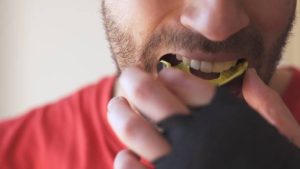
How to Clean Mouth Guards Properly
Keeping your mouth guard clean is essential for both hygiene and durability.
So, how do you clean mouth guards?
Step-by-Step Cleaning Tips:
- Rinse with cool water after every use
- Brush gently with a soft toothbrush
- Use mild soap or non-abrasive toothpaste
- Let it air dry completely
- Store in a ventilated case
You can also use special cleaning tablets for deeper cleaning.
Avoid:
- Hot water (can warp the guard)
- Harsh chemicals
Learning how to clean mouth guards properly helps prevent bacteria buildup and extends their lifespan.
How Long Do Mouth Guards Last?
Another common question is: how long do mouth guards last?
The answer depends on the type and how often you use them.
General Lifespan:
- Stock or boil-and-bite: 3–6 months
- Custom mouth guards: 1–5 years
You may need a replacement sooner if:
- The guard becomes loose
- You notice cracks or wear
- It no longer fits properly
Regular dental checkups can help ensure your mouth guard is still effective.
Tips for Choosing the Right Mouth Guard
Choosing the right mouth guard doesn’t have to be complicated.
Here are a few things to consider:
Comfort: If it’s uncomfortable, you won’t wear it consistently.
Fit: A snug fit ensures better protection and effectiveness.
Purpose:
- Sports → Durable, shock-absorbing guard
- TMJ/grinding → Custom night guard
Durability:
Higher-quality materials last longer and perform better.
If you’re unsure, your dentist can guide you toward the best option for your needs.
Frequently Asked Questions
1. Do mouth guards help with TMJ?
Yes. Mouth guards can reduce pressure on the jaw joint and help relieve TMJ-related pain.
2. How much do mouth guards cost?
They typically range from $10 to $600+, depending on whether they are store-bought or custom-made.
3. How do you clean mouth guards?
Rinse after use, brush gently, and store in a ventilated case. Avoid hot water to prevent damage.
4. Do mouth guards help with clenching?
Yes. They act as a cushion and reduce the pressure caused by teeth clenching.
5. Do mouth guards prevent concussions?
No. They help protect teeth and the jaw, but do not prevent concussions.
Final Thoughts
Mouth guards may seem simple, but they play a powerful role in protecting your teeth, reducing jaw pain, and preventing long-term damage.
Whether you need protection for sports, relief from clenching, or help with TMJ discomfort, there’s a mouth guard designed for your needs.
If you’re unsure which option is right for you, speaking with a dentist is the best next step. A custom mouth guard can provide better comfort, improved protection, and long-term benefits for your oral health.
Taking this small step today can help protect your smile for years to come. Book a consultation at Renova Dental today and get the right mouth guard for your needs.