
Flossing Guide: How Often, When & How Long to Floss

Flossing is one of the most important parts of your oral hygiene routine, yet it’s also one of the most commonly skipped. Many people brush daily but aren’t sure how often should you floss, or even if it’s really necessary.
The truth is, brushing alone isn’t enough. Your toothbrush can’t reach the tight spaces between your teeth where plaque and food particles build up.
In this guide, we’ll break down everything you need to know, how often to floss, when to floss, how long it should take, and how to build a simple, effective daily routine.
What Is Flossing and Why Is It Important?
Flossing is the process of cleaning between your teeth using dental floss or similar tools. These are areas your toothbrush simply can’t reach.
When you floss teeth regularly, you help:
- Remove plaque buildup
- Prevent cavities between teeth
- Reduce the risk of gum disease
- Keep your breath fresh
Dentists strongly recommend that you floss daily because plaque starts forming quickly, and if left untreated, it can harden into tartar.
How Often Should You Floss?
Let’s answer the big question: how often should you floss your teeth?
Most dentists recommend flossing once a day.
This is enough to remove daily plaque buildup and protect your gums. The key isn’t flossing multiple times; it’s being consistent.
So whether you’re asking:
- how often should I floss
- how often should you floss your teeth
The simple answer is: once daily is ideal.
This daily flossing frequency helps maintain healthy gums and prevents long-term dental problems.
How Many Times a Day Should You Floss?
You might be wondering: how many times a day should you floss?
For most people, once a day is enough.
Flossing more than once isn’t necessary unless your dentist recommends it. In fact, overdoing it can sometimes irritate your gums.
- Once a day → ideal for most people
- Twice a day → okay if done gently
- Too often → may cause gum irritation
So, is flossing twice a day too much?
Not necessarily, but it’s not required for most people.
Should You Floss Every Day?
Yes, you should floss every day.
If you’re asking, do you need to floss every day, the answer is absolutely yes. Daily flossing prevents plaque from building up in hard-to-reach areas.
Skipping even a few days can allow bacteria to grow between your teeth, increasing the risk of:
- Cavities
- Gum inflammation
- Bad breath
Making it a habit to floss daily is one of the simplest ways to protect your oral health.

When Should You Floss?
Timing also matters. Many people ask: when should you floss?
The best time to floss is before brushing your teeth, especially at night.
Why floss before brushing?
Flossing first removes debris and plaque, allowing toothpaste to clean your teeth more effectively.
Best times to floss:
- Before bed (recommended)
- In the morning (optional)
- Anytime that fits your routine
So if you’re wondering:
- when should I floss
- when to floss
The answer is: whenever you’ll stay consistent, but nighttime is best.
How Long Should You Floss?
Another common question is: how long should flossing take?
Flossing doesn’t need to take long, but it should be done properly.
On average:
- 2–3 minutes is enough
- Focus on each tooth individually
- Be gentle but thorough
So if you’re asking:
- how long should you floss
- how long should I floss my teeth
Think of it as a quick but important part of your daily routine.
How Much Floss Should You Use?
Using the right amount of floss makes a big difference.
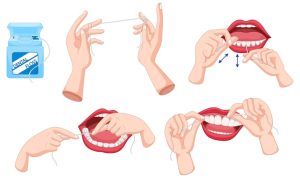
Dentists recommend using about 18 inches of floss.
Here’s how:
- Wrap most of it around your fingers
- Leave a small section to work with
- Use a fresh section for each tooth
If you’re unsure how much floss should you use, this method ensures a cleaner and more effective flossing routine.
Can You Floss Too Much?
Yes, technically, you can.
If you floss too aggressively or too often, it can:
- Irritate your gums
- Cause bleeding
- Lead to gum sensitivity
Gentle, once-a-day flossing is the safest and most effective approach.
Soft Picks and Floss Alternatives
Not everyone enjoys traditional floss, and that’s okay.
There are alternatives that can help you clean between your teeth effectively.
Common options include:
- Soft picks (small flexible brushes)
- Water flossers
- Floss picks
- Interdental brushes
These are especially helpful for people with braces, tight spacing, or dexterity issues.
How Often Should You Brush and Floss Your Teeth?
For a complete routine, it’s important to combine both brushing and flossing.
So, how often should you brush and floss your teeth?
- Brush twice a day
- Floss once a day
- Visit your dentist regularly
This combination helps keep your teeth and gums healthy long-term.
Flossing Tips from Dentists
If you want to improve your routine, here are some simple dentist-approved tips:
- Floss daily—consistency matters more than perfection
- Be gentle—don’t snap floss into your gums
- Don’t skip back teeth
- Follow a routine so you don’t miss areas
- Visit your dentist regularly for cleanings
Small improvements in your daily habits can make a big difference.
Common Flossing Mistakes
Many people floss, but not correctly.
Here are some common mistakes to avoid:
- Flossing too hard
- Skipping certain teeth
- Only flossing occasionally
- Using too little floss
- Rushing through the process
Taking your time and being consistent is key.
Frequently Asked Questions
1. How often should you floss?
You should floss once a day to remove plaque and protect your gums.
2. How many times a day should you floss?
Once per day is enough. Twice is optional but not necessary.
3. Should you floss every day?
Yes, daily flossing helps prevent cavities and gum disease.
4. When is the best time to floss?
Before brushing your teeth, especially at night.
5. How long should flossing take?
About 2–3 minutes, focusing on cleaning each tooth properly.
6. Can you floss twice a day?
Yes, but it’s not required. Just make sure you floss gently.
Conclusion
Flossing may seem like a small step, but it has a big impact on your oral health. By flossing once a day, at the right time, and using proper technique, you can prevent cavities, protect your gums, and keep your smile healthy.
The key is simple: stay consistent, be gentle, and make flossing part of your daily routine.
Keep your smile healthy with proper daily flossing and regular dental checkups. Schedule a visit with your dentist to maintain strong teeth and healthy gums for the long term.
Ready to take care of your smile?
Book your visit with Renova Dental in Stouffville — CDCP accepted and insurance billed directly.
Book Your Appointment →