

Why Dental Crowns Are More Common Than You Think
Sometimes you won’t feel a fractured tooth right away, but when you do, it can make everything from eating to smiling a lot harder. A lot of people notice damage to their teeth, but decide to ignore it until it becomes a larger problem. This is where dental crowns can be beneficial. Out of the many solutions to restore damaged teeth, dental crowns are one of the best and most long-lasting options that modern dentistry has to offer.
In this guide, we will educate you on what dental crowns are, help you figure out the types of crowns you need, the benefits of crowns, and how long they will last. This will help you make the best choices when it comes to your dental health.
What Are Dental Crowns?
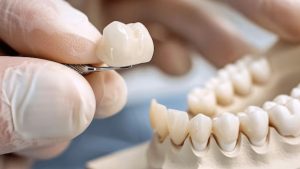
Dental crowns are custom caps made to fit over and protect damaged or weakened teeth. They protect, reshape, and strengthen all the visible parts of the tooth above the gum line.
Dental crowns are recommended by dentists when a tooth is in such bad condition that a filling can’t be placed, but is not damaged enough to be pulled out. Crowns are made to look just like teeth so that no one can tell you have one. They keep the teeth safe for years to come.
When Do You Need a Dental Crown?
You may need a dental crown if you have:
- A cracked, broken, or severely worn tooth
- A large cavity that cannot be fixed with a filling
- A tooth that has undergone root canal treatment
- A weakened tooth is at risk of breaking
- A discolored or misshapen tooth for cosmetic reasons
Crowns are both restorative and preventive, meaning they fix existing damage and help prevent future problems.
Benefits of Dental Crowns
Dental crowns offer several important advantages:
- Strengthen and protect weak or damaged teeth
- Restore normal chewing and bite function
- Improve the appearance of your smile
- Prevent further tooth decay or fractures
- Long-lasting solution with proper care
For many patients, crowns provide peace of mind. Once placed, the tooth is protected and functional again.
Types of Dental Crowns
There are several types of dental crowns, and the right one depends on your needs, budget, and tooth location.
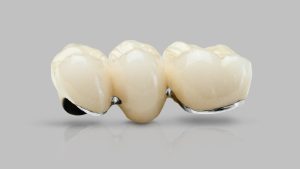
- Porcelain Crowns: Natural-looking and ideal for front teeth
- Ceramic Crowns: Metal-free and great for patients with sensitivities
- Zirconia Crowns: Extremely strong and aesthetically pleasing
- Porcelain-Fused-to-Metal (PFM): Durable with a natural appearance
- Metal Crowns: Long-lasting and best suited for back teeth
Your dentist will help you choose the best option based on function and appearance.
How Is a Dental Crown Procedure Done?
The dental crown process usually takes two visits:
- Preparation: The tooth is reshaped, impressions or digital scans are taken, and a temporary crown is placed.
- Final Placement: The custom crown is securely bonded, adjusted for comfort, and polished.
Some clinics also offer same-day crowns, depending on the case and technology available.
How Long Do Dental Crowns Last?
On average, dental crowns last 10–15 years, and many last even longer with good care.
Factors that affect crown longevity include:
- Oral hygiene habits
- Grinding or clenching teeth
- Crown material
- Regular dental checkups
With proper brushing, flossing, and routine visits, crowns can protect your smile for many years.
How to Care for Dental Crowns
Caring for a crowned tooth is simple:
- Brush twice daily and floss regularly
- Avoid chewing ice or hard objects
- Wear a night guard if you grind your teeth
- Visit your dentist for routine exams and cleanings
Crowns don’t require special products, just consistent care.
Are Dental Crowns Painful?
The process is typically not painful. You will be given local anesthesia to keep you comfortable during treatment, and any post-procedure discomfort is usually short-lived. Most people quickly return to their day-to-day activities.
Cost of Dental Crowns
The cost of dental crowns varies depending on:
- Crown material
- Tooth location
- Insurance coverage
- Complexity of treatment
While crowns are an investment, they often prevent more costly dental issues in the future.
Conclusion: Restore and Protect Your Smile at Renova Dental
Dental crowns help restore the functionality and aesthetics of your teeth, and, most importantly, help protect your teeth and the rest of your smile for the long term. Whether due to a tooth that is cracked, suffers from decay, or just has some cosmetic issues, crowns can help you regain your smile.
At Renova Dental, we help you regain your smile with dental crowns. If you think you need a dental crown or just want some expert advice, schedule a consultation with Renova Dental. It’s the first step toward a stronger, healthier smile.
Frequently Asked Questions (FAQs)
1. Can a dental crown fall off?
Yes, but it’s uncommon. If it happens, contact your dentist immediately.
2. Can dental crowns get cavities?
The crown itself cannot decay, but the tooth underneath can if oral hygiene is poor.
3. Are dental crowns permanent?
Crowns are long-lasting but may need replacement after many years.
4. Can dental crowns be whitened?
No, crowns do not respond to whitening treatments.