Wisdom Teeth Extraction: When & Why It’s Needed

For those who have not been subjected to the tales of wisdom teeth storytellers that have come before us, the others are left to wonder what wisdom teeth even are, and what, perhaps, is the tale of over-extraction of wisdom teeth? In order to answer the question of what wisdom teeth are and when and why their extraction is necessary, we need to understand and examine the factors surrounding wisdom teeth and the entire extraction process.
What Are Wisdom Teeth?
Wisdom teeth are the third and final set of molars that people get when they are around 17 to 22 years of age. Wisdom teeth are located at the back of the mouth and are very difficult to clean. Some portion of the origin of the name’ wisdom teeth’ can be attributed to the age at which they emerge (typically older than others), which is when a person is considered wiser, although not everybody has wisdom teeth. Some people are very fortunate, and their wisdom teeth come in unaffected and without any troubling symptoms. However, for most people, the experience is less than pleasurable and involves pain and complications.
Why Is Wisdom Tooth Extraction Needed?
Most of the time, for people, there can be trouble with their wisdom teeth that can be prevented in the future by getting their wisdom teeth removed. Here are the most common reasons for wisdom teeth extractions.
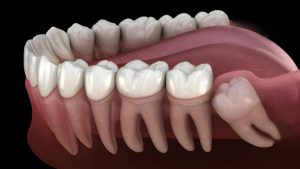
- Impaction: If a wisdom tooth does not have enough room in the mouth to fully erupt or if the wisdom tooth grows in sideways, it can become impacted. If the wisdom tooth is stuck beneath the gum line, it can cause pain and swelling and be a threat to infection.
- Alignment Issues: Wisdom teeth can also cause the other teeth in the mouth to become misaligned. The wisdom teeth have enough room to move around and can cause bite problems or crowding to the point that orthodontic treatment is needed.
- Infection: Wisdom teeth can also be a site for serious infection or tooth decay. Since the molars are the farthest back in the mouth, they can be difficult to clean and maintain, which can lead to infection.
- Cysts or Tumors: Rarely, tumors and cysts have been known to develop around teeth that are impacted teeth, and can cause bigger problems for the person.
Wisdom Teeth Removal Procedure
There are a few surgical methods to remove one or more wisdom teeth, depending on the degree of difficulty surrounding the extraction; therefore, getting the procedure can be a three-part process: local anesthesia, sedation, or general anesthesia. If there are no problems, the tooth will be removed after numbing the area. If there are problems with the tooth, other, more complex steps are involved, such as cutting the gums or removing the bone.
Your dentist will ensure you are as relaxed as possible before they perform the surgery and will also provide you with advice on what to do to manage the swelling and pain to ensure your comfort during the healing process.
How Long Is Wisdom Teeth Surgery?
The most time a wisdom tooth extraction should take is one hour, although often dental surgeons only need around 30 minutes to perform the procedure. The time you have to wait will depend on how many teeth need to be extracted and how complex they are; teeth extractions that are more straightforward will take a shorter time. If more complex teeth need to be extracted, more time will be required.
Wisdom Teeth Removal Cost
One of the most frequently asked questions about wisdom teeth removal is the cost of wisdom teeth removal. What is the average cost of wisdom teeth removal? The average cost of wisdom teeth removal can vary depending on several different variables. What is the complexity of the extraction? What is the location of the dental practice? Do you have insurance? On average, the cost of wisdom teeth removal with insurance is usually lower, as insurance usually covers some of the costs. But the total cost will depend on individual plans and coverage.
No insurance means that the cost of wisdom teeth extraction is usually higher. The cost of wisdom teeth removal without insurance generally is estimated between $1,000 $3,000 per tooth. Depends on whether it’s a simple extraction or an impacted extraction. Regarding having insurance, most likely the wisdom tooth removal cost with insurance will be significantly reduced, thus having a lower out-of-pocket cost. Checking with insurance to figure out how much coverage is being provided is usually a good call.

Preparing for Wisdom Teeth Removal
Preparation for wisdom teeth removal is important to ensure the removal of wisdom teeth goes smoothly, as well as the recovery. Your dentist will give you instructions before the procedure, which will include when to stop eating and drinking before surgery. You will also need to have someone there to drive you home, as you will be somewhat sleepy from the anesthetic.
What to Eat After Wisdom Teeth Surgery
You will have to eat certain foods after your surgery, and for a while after, you will need to eat properly and avoid getting sick. Especially for the first couple of days, you will need to eat soft, cool foods that do not irritate your gums from where the surgery was. Things like soft mashed potatoes, yogurt, smoothies, scrambled eggs, and soft fruits like bananas. You will also want to avoid foods that are hot, spicy, and crunchy, as that can irritate the surgery and make the healing process longer.
You want to avoid straws for a couple of days after surgery. This is important because you do not want to create a lot of suction from the straw, because that can create a dry socket, which will make the healing process a lot longer and will cause a lot of pain.
Wisdom Teeth Extraction Recovery
There is an average column of days to weeks recovery range for the extraction of wisdom teeth, depending on the complexity of the procedure. As with any surgical procedure, some swelling, bruising, and discomfort around the extraction area, but with ice and painkillers, any pain can be managed. Be sure to follow instructions from the dentist to avoid complications and to help heal quickly.
Because wisdom teeth often cause other teeth to be crowded or misaligned, they can cause discomfort and pain. This is something to be expected, but as your mouth becomes accustomed to the change, it should lessen.
Risks of Delaying Wisdom Teeth Extraction
Your wisdom teeth can cause a lot of problems if not removed, even if they don’t cause immediate problems. Because of the possibility of causing problems with nearby teeth, infections, cysts, and even tumors, it’s often recommended to get wisdom teeth removed early to avoid more complex and damaging problems down the road.
Conclusion
Many people have to deal with pain from impacted teeth, and for them, wisdom tooth removal is common and necessary. Before making an educated choice about tooth extraction, it’s crucial to understand what, why, and how tooth removal is done, as well as what factors affect the cost of wisdom teeth removal. Between the painful symptoms and the need for relieving and maintaining good oral health, removal of wisdom teeth may be the best choice for you.
Visit us at Renova Dental today and get your wisdom tooth problems sorted with ease and comfort!
Frequently Asked Questions
1. How much does wisdom teeth removal cost?
The cost ranges between $200 $400 for simple cases and more than $1000 for complex surgical cases.
2. Is wisdom tooth removal counted as a surgery?
Yes, wisdom tooth removal is considered an oral surgery.
3. When can I brush my teeth after a wisdom tooth extraction?
You should wait at least 24 hours after getting a wisdom tooth extraction.
4. Will my teeth move after wisdom tooth extraction?
Yes, your teeth can slightly shift after extraction as your mouth adjusts to it.
Ready to take care of your smile?
Book your visit with Renova Dental in Stouffville — CDCP accepted and insurance billed directly.
Book Your Appointment →Keep Reading