Invisalign vs Traditional Braces: The Pros & Cons

If you’re considering tooth alignment, chances are you’ve arrived at that pivotal point where all of our clients arrive when it comes to Invisalign vs braces – which one suits you best? Both methods of orthodontic treatment can work, and both have the potential to give you a flawless smile, but how they achieve this can differ greatly, depending on the individual patient’s needs and circumstances.
Here at Renova Dental, we discuss the advantages and disadvantages of braces and the benefits of Invisalign almost every day with our patients. Here’s a straightforward comparison between braces vs Invisalign treatment, so you’ll be able to go into your consultation with a clearer idea of what works for you.
What Are Traditional Braces?
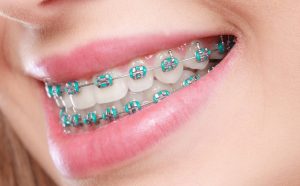
These types of braces include metal and ceramic brackets that adhere to your teeth, which are then tied together using a wire that is adjusted gradually. It is through this consistent exertion of pressure that your teeth will be aligned successfully.
This type of orthodontic treatment remains the gold standard in dental care today for one reason – it works in virtually all cases, even those too complicated for other teeth alignment treatments such as invisible braces.
What Is Invisalign?
Invisalign works by using a set of clear aligner trays to straighten your teeth. These trays are custom-made and fit entirely over your teeth.
They must be swapped every 1-2 weeks. Because Invisalign trays are clear, they’re less visible. Patients sometimes call them “clear braces.”
Like traditional braces, you cannot remove them for your teeth to move. The flexibility of removable trays makes them a preferred orthodontic treatment option for adults.
Invisalign vs Traditional Braces: Quick Comparison
| Feature | Invisalign / Clear Aligners | Traditional Braces |
| Appearance | Virtually invisible | Visible |
| Removable | Yes | No |
| Treatment time | 6–18 months | 18–36 months |
| Office visits | Every 6–8 weeks | Every 4 weeks |
| Food restrictions | None | Yes |
| Best for | Mild to moderate cases | Complex cases |
Invisalign Benefits (Pros & Cons)
Pros:
- Nearly invisible — most people won’t even notice
- Removable for meals, brushing, and special occasions
- More comfortable, with no brackets or wires
- Fewer in-office appointments
- A digital preview of your final smile makeover before treatment starts
Cons:
- Requires discipline — 20–22 hours of daily wear
- Not always ideal for severe bite issues
- Easy to misplace if you’re not careful
- Your results depend on your consistency
Braces Benefits (Pros & Cons of Braces)
Pros:
- Effective for nearly every orthodontic case, including complex ones
- They work 24/7 — no compliance required
- Often slightly more affordable
- Ceramic options give you a clear braces-style look at a lower price
Cons:
- Much more noticeable
- Food restrictions — popcorn, gum, hard candy, and sticky snacks are off-limits
- Brushing and flossing take more effort
- Occasional irritation from brackets and wires
- More frequent adjustment visits
How Long Does Each Treatment Take?
Most Invisalign cases wrap in 6 to 18 months, depending on how much movement is needed. Traditional braces typically take 18 to 36 months, longer, but often necessary for tougher cases.
A few things affect your timeline: the complexity of your bite, your age, and (for Invisalign) how consistently you wear your trays. At Renova Dental, we’ll give you a clear estimate at your consultation, based on a 3D scan of your teeth.
Invisalign Cost vs Braces Cost
This is usually the question patients ask first, so let’s get into it.
Invisalign cost in Canada generally ranges from $3,000 to $8,000, depending on case complexity. Brace costs typically fall between $3,000 and $7,000. The gap between them is smaller than most people expect — and in some cases, Invisalign actually comes in cheaper.
A few factors that influence what you’ll pay either way:
- Case complexity — more movement means more trays or longer treatment time
- Treatment length — longer cases mean more materials and visits
- Insurance coverage — many Canadian dental plans cover both options under orthodontic treatment benefits
- Financing — Renova Dental offers flexible monthly payment plans, and HSA/FSA funds are eligible
The honest takeaway: don’t let cost alone drive the decision. The difference is usually manageable, and the right treatment is the one that fits your case and your lifestyle.
Braces vs Clear Aligners: Which Option Is Right for You?
A quick guide to help you decide:
Clear aligners (Invisalign) might be the better fit if you:
- Want a discreet option for work or social settings
- Have a mild to moderate case
- Can commit to wearing trays 20+ hours a day
- Prefer fewer office visits
Traditional braces might be the better fit if you:
- Have a complex bite, significant crowding, or rotation issues
- Prefer a “set it and forget it” approach
- Want to keep upfront costs as low as possible
- Are you treating a younger teen who might forget to wear aligners
A Few Myths Worth Clearing Up
- “Invisalign only works for minor cases.” Not true anymore — modern clear aligners can handle a wide range of bite issues that used to require braces.
- “Braces are just for kids.” Adults make up a growing share of orthodontic patients today. Invisalign treatment for adults is more popular than ever.
- “Mail-order aligners are the same as Invisalign.” They’re not. Mail-order brands skip the in-person exam, which can cause real harm if your bite or gums aren’t evaluated first.
The Bottom Line
Invisalign and braces can both give you that pearly white, straight smile you’ve always wanted. Clear aligners are better for less-visible smile straightening, comfort, and the freedom to remove them when you want. Versatile braces, though, straighten your smile undeniably and require less self-discipline. Your best option is determined by your bite, your lifestyle, and what you value most.
You don’t have to do this by yourself! Renova Dental offers specialized digital scans. We promise an honest solution and a no-pressure, no-upsell quote.
If you want to understand what solution is best for your smile, sign up below for a FREE teeth straightening consultation with our lead dentist, Dr. Parisa Tavakoli. We’ll show you your future smile in 3D so you can understand the best solution for your overall lifestyle, AND we’ll give you the right answer regarding cost and time!
[Book Your Free Consultation →]
Frequently Asked Questions
1. Are Invisalign and braces comparable in effectiveness?
Mild and moderate cases can be treated with comparable effectiveness between the two systems. In cases where there are complex bite issues or severe crowding, traditional braces tend to be the better option. A consultation will confirm which option will provide the best fit for your case.
2. Do braces and Invisalign cost the same amount?
No. In Canada, the cost of Invisalign can be from $3,000 to $8,000, while braces will typically range between $3,000 and $7,000. Your dental plan will likely have coverage for both types of services under your orthodontic benefits.
3. How long is the reshape treatment with the new aligners?
For the best results with reshaping your smile. The trays should be worn for 22 hours a day. The trays are removed and replaced for meals and cleaned after meals with teeth brushing or flossing. The more consistently the trays are changed, the faster the treatment will be completed.
4. Do braces or Invisalign only work for children?
No. For older patients, adult braces are a more popular treatment option because the materials and processes are more discreet. There is no limit on age. As long as you have a prior successful dental assessment with positive results, you are cleared.
Ready to take care of your smile?
Book your visit with Renova Dental in Stouffville — CDCP accepted and insurance billed directly.
Book Your Appointment →Keep Reading