How Does Invisalign Work? Overbites, Gaps, and Crossbites Explained
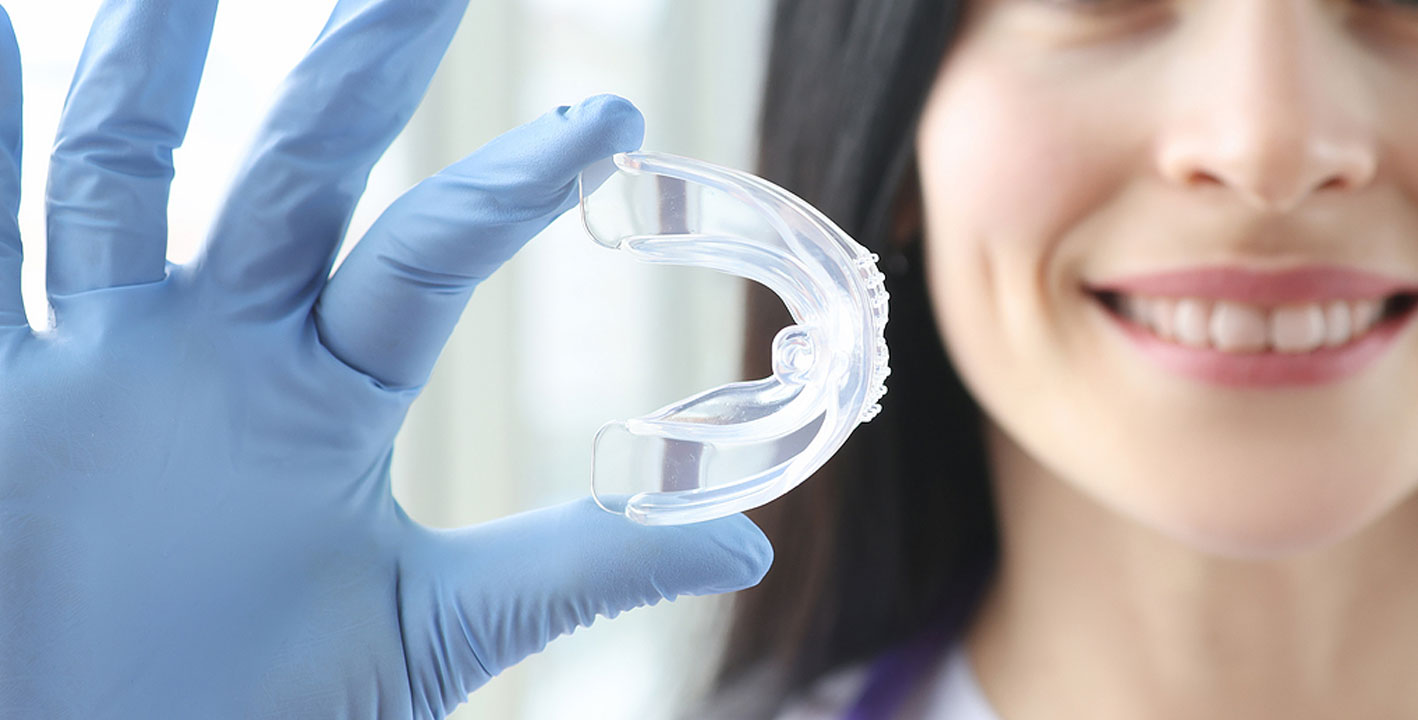
If you have ever looked in the mirror and wished your teeth were a little straighter, you are not alone. Many of our patients in Stouffville ask the same first question: how does Invisalign work, and can it really fix my bite? Invisalign is a series of clear, removable aligners that gently move your teeth into a healthier position over time. The short answer is that it works well for a wide range of problems — including many overbites, gaps, and crossbites — and this guide explains exactly how, in plain language.
How does Invisalign work?
Invisalign straightens teeth using a set of custom-made clear aligners instead of metal brackets and wires. Here is the step-by-step:
- A digital scan. We take a 3D scan of your teeth — no messy moulds. This creates an exact model of your bite.
- A custom plan. Using that scan, your treatment is mapped out from start to finish, so you can often preview your expected result before you begin.
- A series of aligners. You receive a set of trays and wear each one for about one to two weeks. Each tray is slightly different and nudges specific teeth a small amount.
- Gentle, steady movement. Aligners are worn 20 to 22 hours a day and removed only to eat, drink, brush, and floss. That steady pressure guides teeth into place.
- Check-ins. We monitor your progress and make adjustments as needed until you reach the finish line.
Two extra tools do a lot of the heavy lifting for tougher movements. Attachments are tiny tooth-coloured bumps bonded to a few teeth. They act like little handles that give the aligners more grip, so they can rotate or shift a tooth more precisely. Elastics (small rubber bands) can be added to help correct how the upper and lower jaws line up. In some cases we also do IPR — a very light polishing between teeth to create room. These are the reasons modern Invisalign can handle more than simple cases; the manufacturer’s own how-Invisalign-works overview is a good companion read if you want the technical detail.
What can Invisalign fix?
Invisalign can treat many of the same problems as braces, including crowded teeth, spacing, and several bite issues. In a 2024 survey of orthodontists practising in Canada published in Progress in Orthodontics, every respondent reported being comfortable treating mild crowding and spaced teeth with clear aligners, and about three-quarters were comfortable with moderate crowding — while severe crowding and cases needing tooth extractions were widely seen as better suited to braces. The honest answer is that candidacy depends on your specific case, which is why an in-person exam matters. Below is how it typically helps with the most common concerns.
Can Invisalign fix crooked teeth and crowding?
Yes — this is one of the situations where clear aligners are most predictable. When teeth are crooked or crowded, the aligners gradually rotate and align them, sometimes with a little IPR to create space. Mild and moderate crowding tends to respond very well.
Invisalign for overbite
An overbite is when your upper front teeth sit too far over your lower front teeth. A related problem, a deep bite, is when they overlap too much vertically. So, can Invisalign fix an overbite? In many mild to moderate cases, yes. The aligners work by tipping and repositioning the front teeth and, when needed, gently moving back teeth to help the jaws meet more evenly. Elastics are often added to fine-tune how the top and bottom teeth come together. Correcting an overbite is not only cosmetic — it can reduce uneven wear on your front teeth and spread biting forces more evenly.
Invisalign for gaps
Gaps (spaces between teeth) are one of the most satisfying problems to treat with Invisalign, because the change is so visible. The aligners slowly draw the teeth together and close the space, while attachments help keep each tooth’s root properly angled so the result stays stable. How long does Invisalign take for gaps? Small, single gaps can sometimes close in a matter of months, while more spacing takes longer. Every mouth is different, so your timeline is set during your consultation.
Invisalign for crossbite
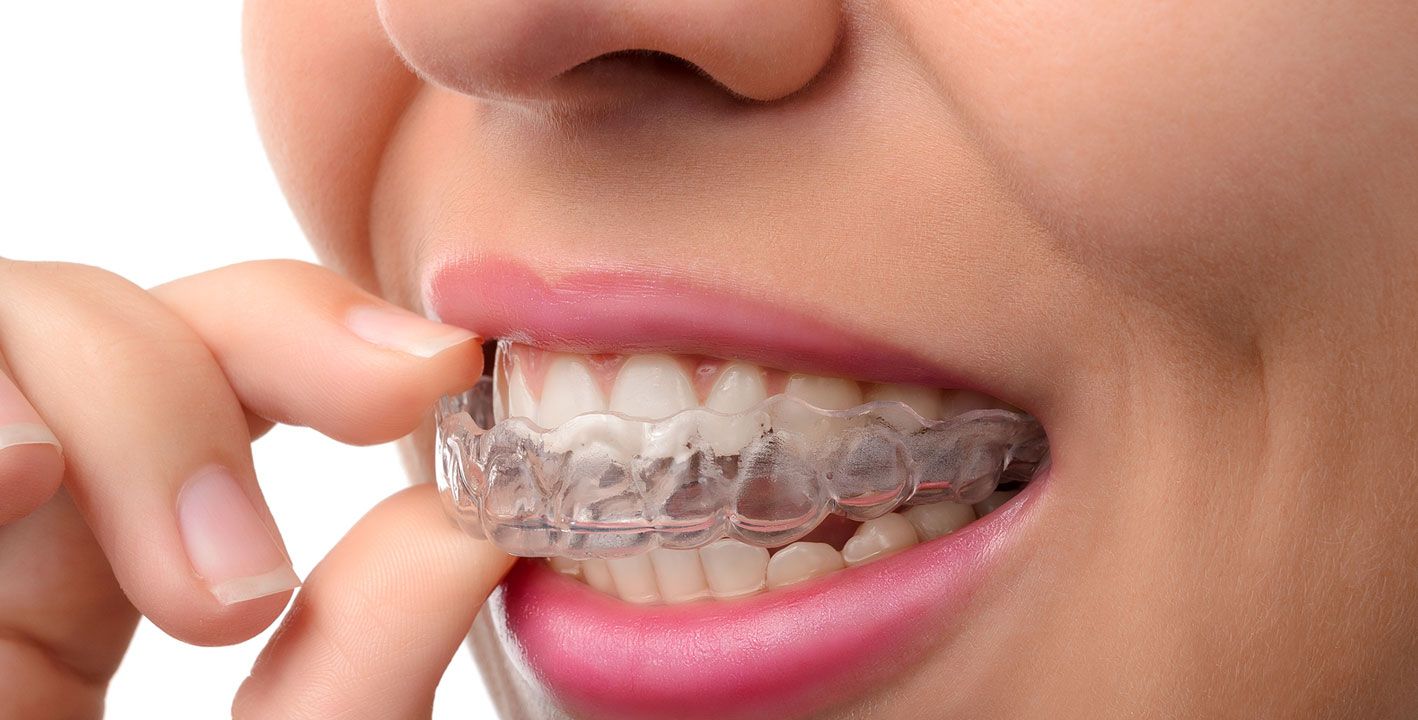
A crossbite happens when one or more upper teeth sit inside the lower teeth instead of outside, where they should be. Left untreated, it can cause uneven wear and jaw strain. Can Invisalign fix a crossbite? Many front-tooth (anterior) crossbites and single-tooth crossbites respond well — the aligners move the affected teeth into the correct position, sometimes widening the arch slightly and using attachments for grip. Crossbites caused mainly by jaw shape are more complex and may need braces or additional treatment, which we would discuss honestly at your visit.
What about underbites, open bites, and “top teeth only”?
Invisalign for underbite
An underbite is when the lower teeth sit in front of the upper teeth. When it is driven by tooth position rather than jaw structure, Invisalign can often move the teeth back into a healthier alignment. Underbites linked to jaw growth are more involved and sometimes need braces or a specialist referral.
Invisalign for open bite
An open bite is a gap between the upper and lower front teeth when the back teeth are closed. Because clear aligners can target specific teeth at different stages, they are often a good tool for gently closing this space.
Can I straighten just my top teeth?
Sometimes people ask about Invisalign for the top teeth only. It can be possible for minor cosmetic touch-ups, but moving one arch changes how it meets the other, so we usually assess the whole bite first to protect your long-term comfort.
Invisalign for teens and adults
Invisalign is not just for adults. Invisalign for teens includes features like “compliance indicators” — small blue dots that fade with proper wear — so parents and our team can confirm the aligners are being worn enough. For busy teens involved in sports or music, removable aligners can be a comfortable fit, and we are happy to talk through aligners alongside braces for teens so your family can compare both. And for adults, it is never too late: Invisalign works for adults of all ages, as long as your teeth and gums are healthy.

Living with your aligners day to day
Most people adjust to aligners within a few days. A few habits make treatment smoother:
- Drink water while wearing them. Coffee, tea, juice, and anything sugary should wait until the trays are out — hot drinks can warp the plastic and sugary ones can trap against your teeth.
- Brush before the trays go back in. Aligners hold whatever is on your teeth against them, so a quick brush (or at minimum a rinse) after eating protects your enamel.
- Clean the trays gently. Cool water and a soft brush keep them clear; hot water is the enemy.
- Use the case. Most lost aligners disappear inside restaurant napkins. The case in your bag saves the day more than once.
- Keep your old set. If a current tray cracks or goes missing, wearing the previous set holds your progress until we sort out a replacement — call us before skipping ahead to the next tray.
None of this is difficult — it is simply a routine, and most patients tell us it becomes automatic within the first couple of weeks.
Does Invisalign really work? A note on results
It is fair to be a little skeptical, so here is a straight answer. When aligners are worn as directed and the case is well suited to them, Invisalign is a proven, effective way to straighten teeth — and reviewing typical before-and-after treatment examples at your consultation can help set realistic expectations. Success depends heavily on two things: choosing the right cases, and wearing the aligners the full 20 to 22 hours a day. We will always give you an honest opinion about whether Invisalign, traditional braces, or another option is the right route for your smile. You can also compare the two in our guide to Invisalign vs. traditional braces, and see what treatment typically involves on our Invisalign in Stouffville page. If budget is on your mind, our overview of Invisalign cost in Canada breaks it down.
What happens at your Invisalign consultation in Stouffville?
Wondering what the first step actually looks like? A typical first visit at Renova Dental includes:
- An exam of your teeth, gums, and bite — healthy foundations come first, so we check for anything that should be treated before aligners.
- A 3D digital scan — comfortable, quick, and mould-free.
- An honest candidacy assessment — whether Invisalign suits your case, or whether braces or another option would serve you better.
- A preview and a plan — how your teeth are expected to move, roughly how long treatment should take, and a written estimate of the cost.
You leave knowing exactly where you stand — with no obligation to start.
Frequently asked questions
How long does Invisalign treatment take?
It varies by case. Simple concerns like small gaps can take a few months, while more involved bite corrections may take a year or more. We give you an estimated timeline at your consultation.
Is Invisalign painful?
Most people feel mild pressure or tenderness for a day or two when they start a new aligner. This is normal and usually eases quickly — it is a sign the aligners are doing their job.
Can Invisalign fix a severe overbite or underbite?
Mild to moderate cases often respond well. Severe bite problems, especially those related to jaw structure, may need braces or a combined treatment. An exam is the only way to know for certain.
How many hours a day do I need to wear my aligners?
Aim for 20 to 22 hours a day, removing them only to eat, drink anything other than water, and clean your teeth. Consistent wear is the single biggest factor in how well treatment goes.
Do I have to give up any foods during Invisalign?
No — because the aligners come out for meals, there are no food restrictions. Just brush or rinse before putting the trays back in so nothing stays trapped against your teeth.
Will my teeth stay straight after Invisalign?
Teeth can shift over time, so we provide a retainer to wear after treatment. Wearing it as directed keeps your new smile in place.
Ready to see if Invisalign is right for you?
The surest way to answer “can Invisalign fix my bite?” is a personal consultation with Dr. Parisa Tavakoli here in Stouffville. We will examine your teeth, talk through your goals, and give you honest, clear advice — no pressure. Call Renova Dental today at 1-905-591-9569 to book your visit, or find us at 6284 Main St, Stouffville. Let’s help you smile with confidence.
Ready to take care of your smile?
Book your visit with Renova Dental in Stouffville — CDCP accepted and insurance billed directly.
Book Your Appointment →Keep Reading