
Home
Meet the Team
Invisalign
Dental Emergencies
Canadian Dental Care Plan
Blog
Contact Us
Book Now
Targeted periodontal therapy for healthier gums — with less bleeding, less discomfort during treatment and a more comfortable recovery afterwards.
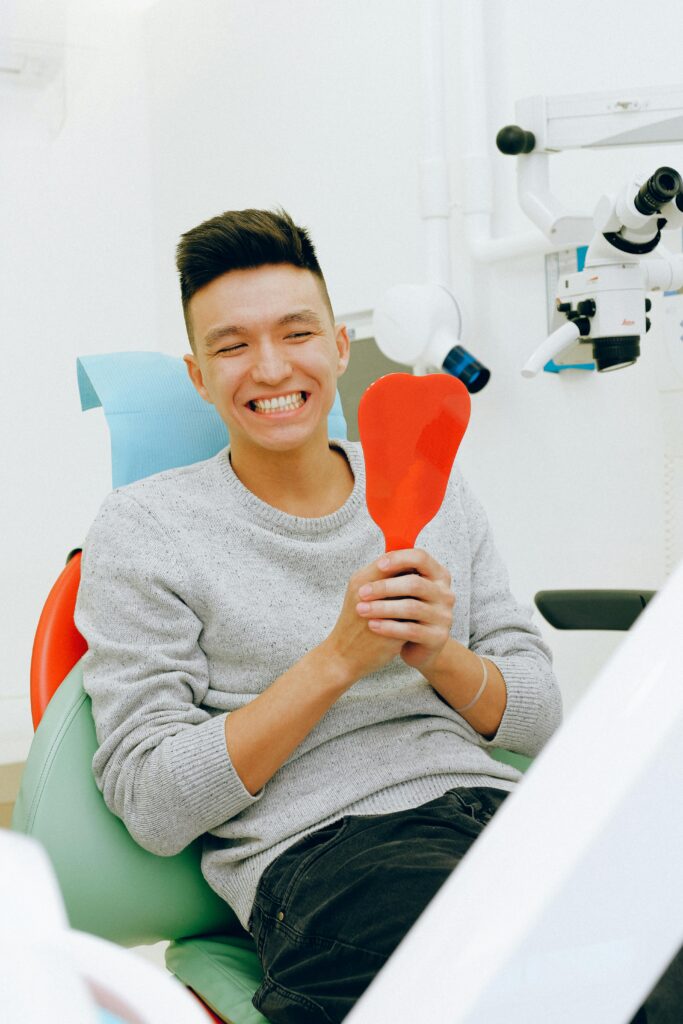
Gum disease is the most common reason adults lose teeth, and it rarely hurts until it is well advanced. Bleeding when you brush, gums that have pulled back from the tooth, persistent bad breath or a tooth that has started to feel loose are all signs worth acting on.
At Renova Dental we treat gum disease with a combination of thorough cleaning below the gum line and a dental laser, which targets infected tissue precisely while leaving the healthy tissue around it intact.
A dental laser delivers a narrow beam of concentrated light energy into the gum pocket. It removes diseased tissue and bacteria from the pocket wall and helps the area begin healing.
It is used alongside scaling and root planing — the deep cleaning that removes hardened deposits from the root surface — rather than instead of it.
Conventional periodontal surgery relies on a scalpel and sutures to access and remove infected tissue. A laser reaches the same tissue through the existing gum pocket, which means little or no cutting and often no stitches. Because the laser seals small blood vessels as it works, there is usually far less bleeding during the appointment and less swelling in the days that follow.

We start by measuring your gum pockets and reviewing your X-rays so you know exactly where the problem areas are. The area is numbed, hardened deposits are removed from the root surfaces, and the laser is then used inside the pocket to clear infected tissue and bacteria. Treatment is often split across more than one visit so that each area gets proper attention. Afterwards we go through aftercare with you and book a review to re-measure the pockets and confirm they are healing.
Laser gum therapy is suitable for most adults with gum inflammation or periodontal disease, particularly if you fall into one of these groups.


Yes. Dental lasers have been used in gum therapy for many years and are well established as a safe adjunct to conventional periodontal treatment. Protective eyewear is worn by everyone in the room, and the laser settings are matched to the tissue being treated. Results depend on the stage of gum disease and on your home care afterwards, so we will be honest with you about what to expect — and refer you to a periodontist if your case calls for specialist care.
Ready to see what we see? Call 1-905-591-9569 or book online and we’ll walk you through your own images at your next visit. Renova Dental is at 6284 Main St in Stouffville, and we accept the Canadian Dental Care Plan.
Most patients describe it as more comfortable than traditional gum surgery. The area is numbed beforehand, and because there is usually no cutting or stitching, the days afterwards tend to be easier too.
Most people return to normal routine the same day and normal eating within a day or two. We will give you specific aftercare advice based on how much treatment you had.
Usually not. The laser works through the existing gum pocket rather than through an incision, so sutures are rarely necessary.
It depends on how many areas are involved. Treatment is often divided across two or more visits, followed by a review appointment to re-measure your gum pockets.
It can control it very effectively, and in early stages gums can return to health. Advanced gum disease cannot regrow lost bone, but treatment can stop it progressing — provided it is supported by good home care and regular maintenance cleanings.
Periodontal treatment is covered under most dental plans and Renova Dental accepts the Canadian Dental Care Plan. We will give you a written estimate and check your coverage before starting.
Yes, and usually more frequently than before. Maintenance cleanings are what keep treated gums stable, so we will set an interval that suits your situation.
Bleeding gums, recession, persistent bad breath, sensitivity at the gum line or loose teeth are the common signs — but early gum disease often has no symptoms at all, which is why we measure pocket depths at your check-ups.